
Consolidating Small Restock Orders into One Shipment
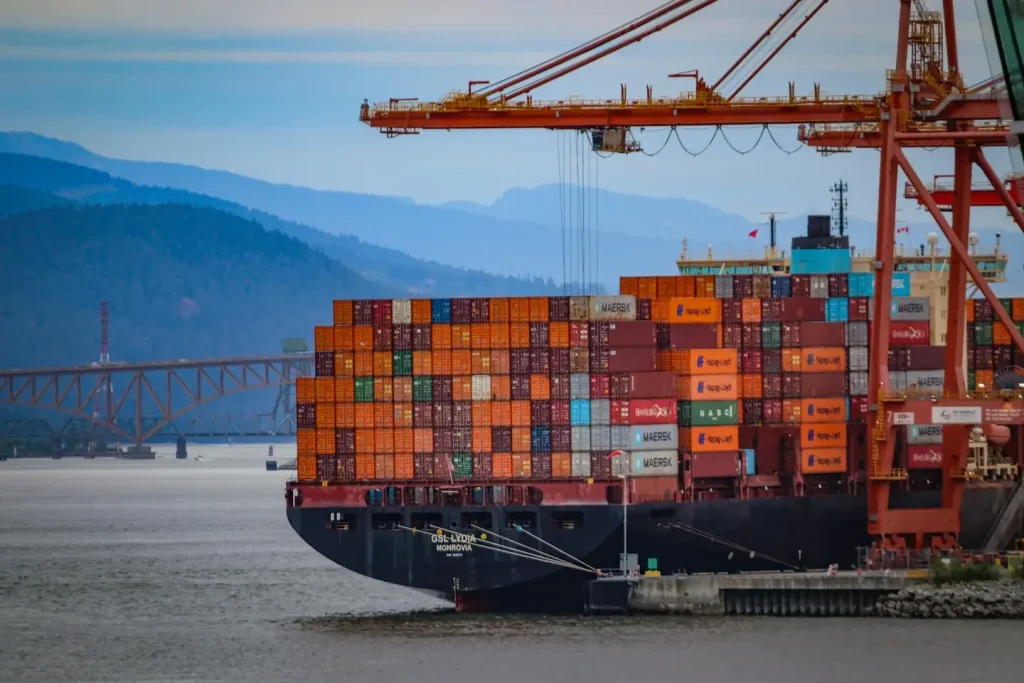
Why Small Restock Orders from Different Suppliers Are Costing You More Than You Think
After a busy sales season, most importers reorder from several 1688 suppliers at once — a few hundred phone cases from one factory, fifty units of a kitchen gadget from another, and a pallet of accessories from a third. Shipped separately, each order pays its own freight minimum, its own customs handling, and its own delivery fee. The result: you can spend 30–50% more on shipping than the total cost of the goods themselves.
Consolidation fixes this. You combine multiple small restock orders from different 1688 suppliers into a single shipment, pay one freight bill, and clear customs once. This guide explains how consolidation works, when it makes sense (and when it does not), and how a buying agent makes it practical without you being in China.
The Hidden Cost of Shipping Small Orders Separately
Every shipment carries fixed costs that do not scale down with order size:
- Freight minimums — express and air carriers charge a minimum billable weight, so a 5 kg shipment often pays for 20 kg.
- Customs brokerage — a per-shipment fee that is identical whether the box weighs 5 kg or 500 kg.
- Origin handling and export documentation — charged per shipment by freight forwarders.
- Delivery and lost-time cost — more shipments mean more tracking, more risk of delay, and more admin time.
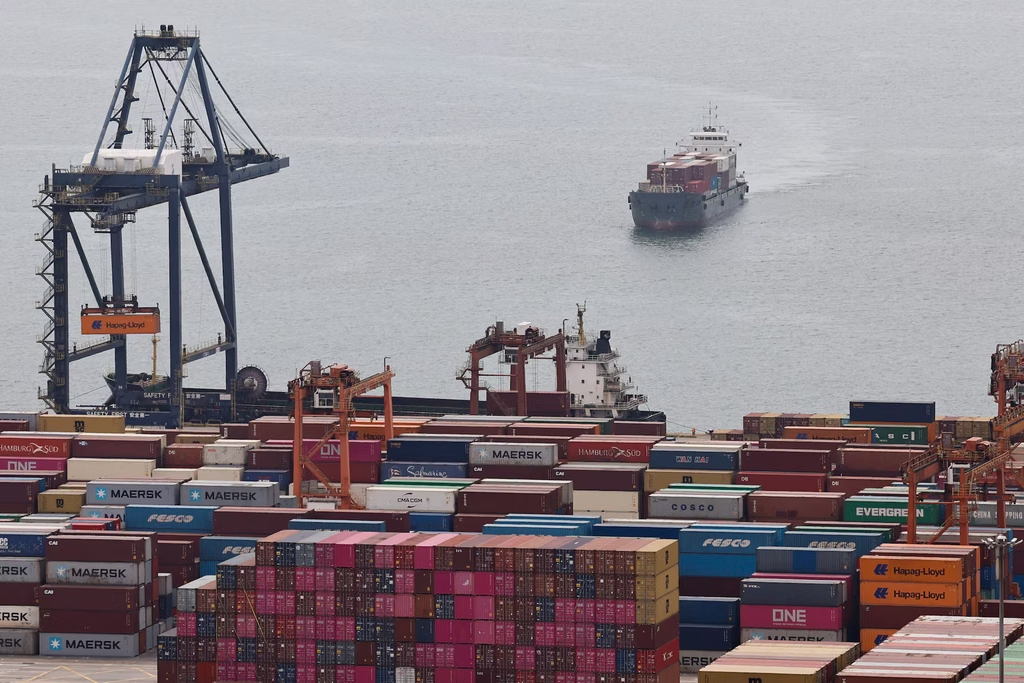
Consider a realistic example: three separate 10 kg orders shipped by air from China to the United States. Each shipment might cost $180–$260 in freight plus $80–$120 in customs brokerage — a combined landed freight cost near $800–$1,000. Consolidated into one 30 kg shipment, the same goods typically ship for $350–$500 total.
How Consolidation Works
The process is straightforward when a buying agent or forwarder handles it:
- Multiple suppliers deliver to one warehouse — usually the agent’s consolidation warehouse in China (often near Guangzhou or Shenzhen, where most 1688 suppliers are located).
- Goods are received, counted, and checked — each supplier’s cartons are verified against the packing list before being merged.
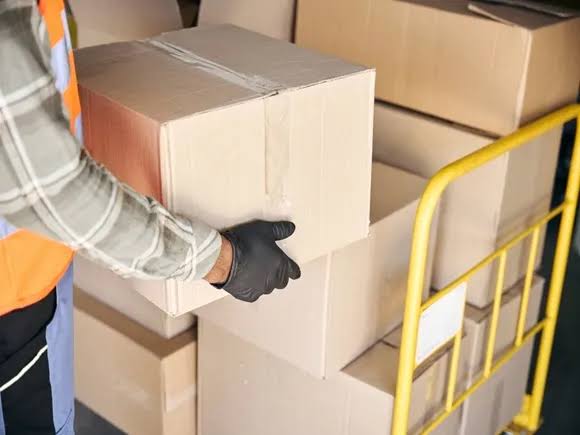
- Cartons are consolidated — re-packed into export cartons or on a single pallet to reduce volume and protect goods.
- One export shipment is created — one commercial invoice, one packing list, one freight booking.
- Customs clearance happens once — at destination, the single shipment clears as one entry.
When Consolidation Makes Sense — and When It Does Not
| Scenario | Ship separately | Consolidate |
|---|---|---|
| One urgent SKU, others not ready | ✓ Ship the urgent item by express now | ✗ Waiting delays your best seller |
| Several small orders from different suppliers | ✗ Pays freight minimums multiple times | ✓ One freight bill, one customs entry |
| Mixed fragile and heavy goods | ✓ Can be tricky — see note below | ✓ Possible with careful re-packing |
| Very large order from one factory | — | ✓ Better handled as one direct FCL shipment |
| Regular monthly replenishment | ✗ Inefficient every month | ✓ Set up a scheduled consolidated shipment |
Consolidation is not always right. If one SKU is urgently needed while the others are not ready, ship the urgent item separately by express and consolidate the rest. And for very large orders from a single factory, a direct full-container (FCL) shipment usually beats consolidation.
What a Buying Agent Does During Consolidation
Consolidation is where a China-based buying agent earns its fee. The agent does the work you cannot do remotely:
- Receives and counts every carton from each supplier, flagging shortages immediately.
- Inspects goods at the consolidation point — catching defects before they enter your export shipment.
- Re-packs for freight efficiency — removing excess packaging, combining partial cartons, and protecting fragile items.
- Prepares accurate export documents — one invoice and packing list covering all suppliers, so customs has no reason to question the entry.
- Labels the consolidated cartons with your SKU list, so the breakdown at your warehouse is painless.
How to Calculate Your Freight Savings Before You Commit
You do not need a quote to estimate whether consolidation will save you money. Work out the total chargeable volume of all cartons, then compare:
- Separate shipments: sum of each shipment’s freight minimum or actual charge.
- Consolidated shipment: one charge based on the combined volume/weight.
Use our CBM calculator to convert each carton’s length, width, and height into chargeable cubic meters, then multiply by the per-CBM air or sea rate. If the difference is more than your agent’s consolidation fee, consolidation wins. Review our shipping options for current air and sea rates.
Step-by-Step: Consolidate Small Restock Orders into One Shipment
- List every pending order with its supplier, expected ready date, and carton dimensions.
- Set a consolidation cutoff date — tell suppliers to deliver to the warehouse by that date; anything late ships separately.
- Ask your agent to quote consolidated freight based on the combined CBM and weight.
- Compare against separate shipments using the calculation method above.
- Authorize the agent to receive and re-pack — including QC checks at the consolidation point.
- Ship as one entry and track a single shipment instead of five.
Frequently Asked Questions
How many orders should I consolidate before it is worth it?
As a rule of thumb, if you have three or more small orders from different suppliers in the same month, consolidation almost always pays for itself. For two orders, compare quotes first.
Does consolidation slow down my shipment?
Slightly — waiting for all suppliers to deliver to the warehouse adds a few days. Use a cutoff date and ship the rest separately if needed.
Can I consolidate air and sea freight together?
No — choose one mode. Urgent SKUs go by air, slower stock by sea, and the two are consolidated separately.
Is customs more complicated with multiple suppliers in one shipment?
No — one commercial invoice and packing list covering all suppliers makes customs simpler, not harder, because there is a single entry.
What does 1688fulfill charge for consolidation?
Consolidation is part of our buying-agent service. See our pricing page for the fee structure, and contact us for a freight estimate on your current orders.
Stop Paying Freight Minimums on Every Small Order
Consolidation is the fastest, safest way to cut landed cost when you restock from multiple 1688 suppliers. Count cartons, re-pack once, ship once, clear customs once. The savings are predictable — and the process is painless when a buying agent handles the China-side work.
Ready to combine your next batch of small orders into one shipment? Talk to the 1688fulfill team and we will quote your consolidated freight in 24 hours.